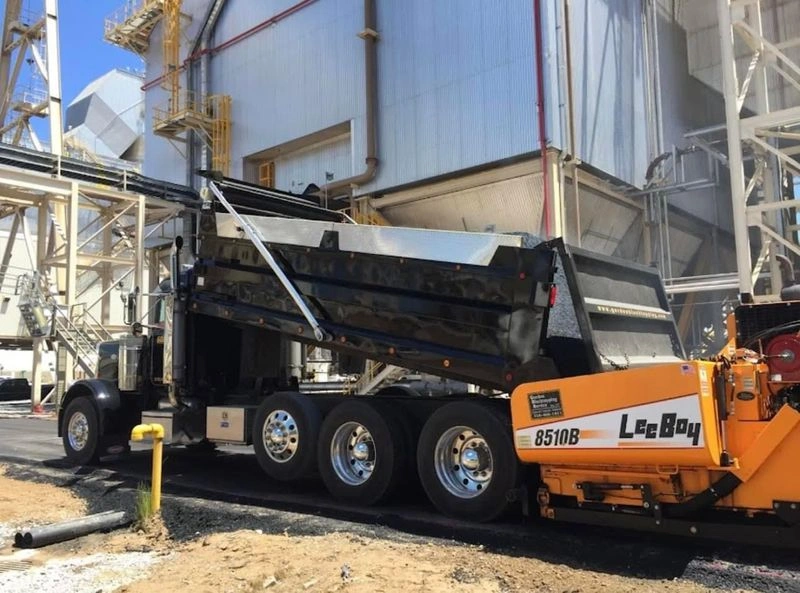
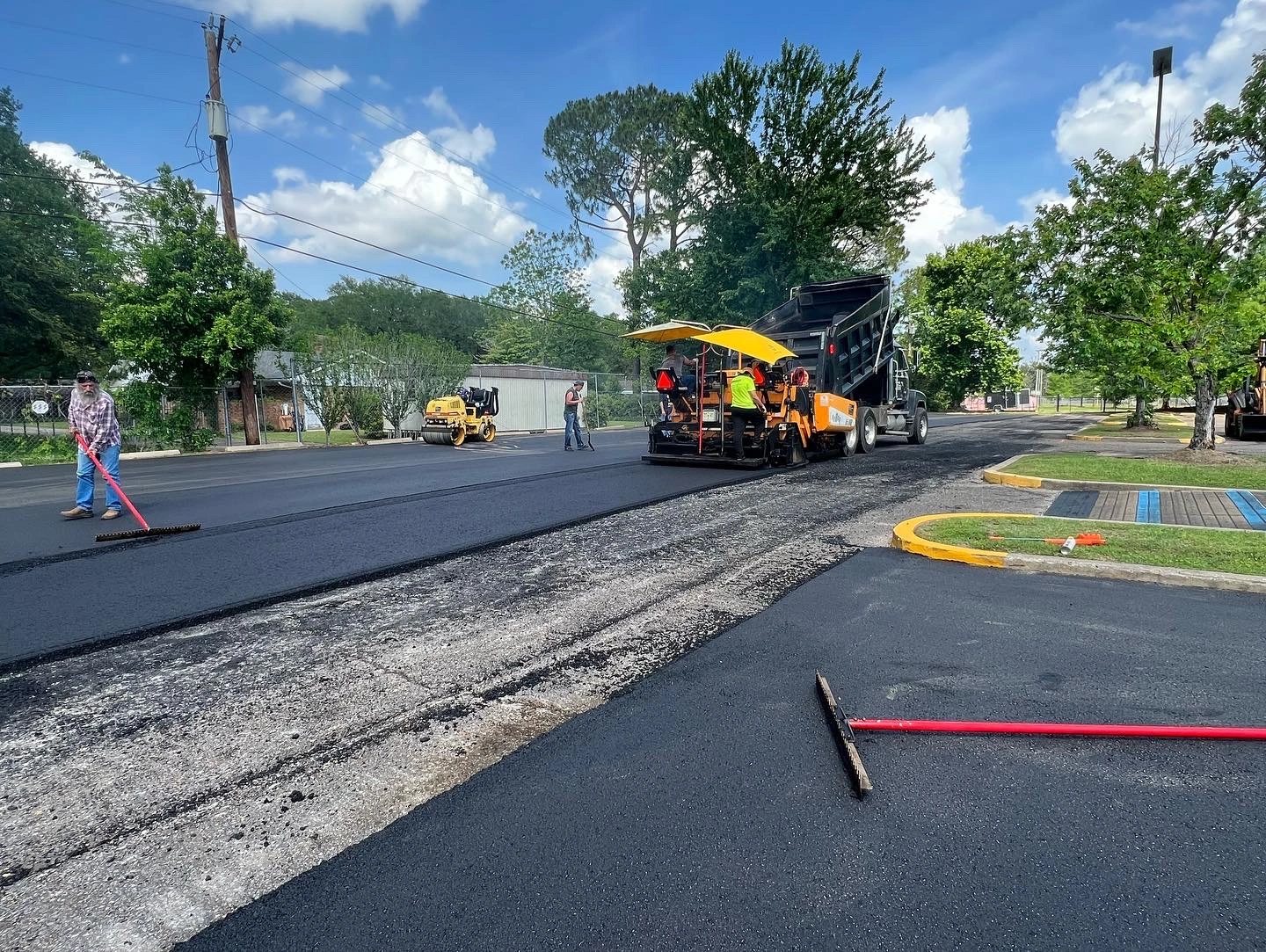
A well-maintained asphalt surface can last 25 to 30 years. But if you ignore basic upkeep, that same pavement can start falling apart in less than 15 years.
In Texas, asphalt takes a beating. Extreme summer heat, heavy rain, and the occasional freeze all work together to wear down your pavement faster than you might expect. Whether you have a residential driveway, a commercial parking lot, or a private road, the good news is that most asphalt damage is preventable.
At M-Tex Paving, we have worked with homeowners and businesses across Texas for years. We have seen firsthand how a little regular maintenance can save thousands of dollars in early replacement costs. In this guide, we are sharing the 10 most effective tips to help your asphalt paving last longer, look better, and perform at its best for decades.
Tip 1: Sealcoat Your Asphalt Every 2 to 3 Years
The short answer: Sealcoating is the single most effective thing you can do to extend the life of your asphalt pavement.
Asphalt is made from a mix of aggregate and liquid bitumen. Over time, the sun’s UV rays break down that bitumen, causing the surface to dry out, fade, and become brittle. Add rain, motor oil drips, and gasoline spills to the mix, and your pavement starts deteriorating from the top down.
Sealcoating puts a fresh protective layer over the surface. It blocks UV rays, repels water, and resists chemical damage. Think of it like sunscreen for your driveway or parking lot.
How often should you sealcoat?
- New asphalt should cure for at least 90 days before the first sealcoat application.
- After that, sealcoat every 2 to 3 years under normal conditions.
- High-traffic areas, like commercial parking lots, may need sealing every 1 to 2 years.
In Texas, where summer temperatures regularly push past 100 degrees, UV oxidation happens faster than in cooler states. This makes sealcoating even more important here than in most parts of the country.
There are two main types of sealers: coal tar emulsion and asphalt emulsion. Both work well, but a professional can help you pick the right product based on your specific usage and climate conditions in your part of Texas.
Tip 2: Fill Cracks Before They Spread
The short answer: A small crack today becomes a large pothole tomorrow. Crack repair is cheap. Pothole repair is not.
Water is asphalt’s biggest enemy. When water finds a crack in your pavement, it works its way down into the base layer. In Texas, we do not have severe winters in most areas, but even mild temperature swings cause the ground to expand and contract. Every cycle makes that crack a little wider and a little deeper.
Left alone, small cracks turn into alligator cracking, which looks like a pattern of interconnected breaks across the surface. At that stage, simple crack filling is no longer enough. You are looking at patching or full-depth repair.
What to do:
- Inspect your asphalt for cracks at least twice a year, ideally in spring and fall.
- For cracks smaller than half an inch wide, a rubberized crack filler from a hardware store works well for DIY repair.
- For cracks wider than half an inch or cracks that keep coming back, call a professional paving contractor.
- Clean out the crack with a brush or blower before applying filler. Dirt and debris prevent proper adhesion.
Acting fast on cracks is one of the easiest ways to protect your asphalt investment and avoid much bigger repair bills down the road.
Tip 3: Make Sure Drainage Is Working Properly
The short answer: Standing water is one of the leading causes of premature asphalt failure. Good drainage is not optional.
When water pools on your asphalt surface, it does not just sit there harmlessly. It slowly seeps into any tiny opening it can find. Over time, water erodes the base layer beneath the asphalt, causing soft spots, depressions, and eventually potholes.
In Texas, this is a real concern. Many parts of the state see heavy rainfall, and flash flooding is not uncommon. Poor drainage can cause more damage after one bad storm than years of normal traffic.
How to check your drainage:
- After a rain, walk your property and note any areas where water collects or puddles for more than 30 minutes.
- Check that the pavement slopes away from buildings and toward the designated drainage areas.
- Make sure catch basins, drains, and channels are clear of leaves, dirt, and debris.
- Look for low spots or depressions that could be forming in the pavement.
If you notice consistent pooling, it may be a grading issue that needs professional attention. Fixing drainage early is far less expensive than repairing the structural damage that comes from ignoring it.
Tip 4: Start With a Quality Installation
The short answer: The lifespan of your asphalt starts on day one. A poor installation cannot be fixed with maintenance alone.
We put this tip in here because many people inherit a paved surface and wonder why it is failing prematurely. Often, the answer goes back to the original installation.
Quality asphalt paving depends on several factors:
Proper base preparation: The base layer, usually compacted gravel, is what gives asphalt its strength. If the base is too thin, not properly compacted, or made from inferior material, the surface above it will crack and sink no matter how well you maintain it.
Correct asphalt thickness: Residential driveways typically need 2 to 3 inches of asphalt. Commercial lots that handle heavy trucks need 4 inches or more. Using too little material is a common way contractors cut costs, and it shows up as early failure.
Right mix for Texas conditions: Asphalt mixes are not one-size-fits-all. In Texas, pavement needs to handle extreme heat without becoming soft and rutting under traffic. A qualified paving contractor will use a mix spec appropriate for your climate and usage.
If you are planning a new paving project in Texas, working with an experienced local contractor like M-Tex Paving ensures your installation is done right from the beginning. You can learn more about our full range of asphalt paving services in Texas and what goes into every project we complete.
Tip 5: Keep Your Asphalt Surface Clean
The short answer: Regular cleaning prevents surface damage and keeps small problems from becoming big ones.
This one sounds simple, but it is genuinely one of the most overlooked parts of asphalt driveway maintenance.
Leaves, dirt, and organic debris trap moisture against the asphalt surface. Over time, this causes the surface to soften, discolor, and deteriorate. Tree sap and berries can stain and chemically react with the asphalt binder. Motor oil and gasoline are especially damaging because they actually break down the bitumen in the pavement.
A simple cleaning routine:
- Sweep or blow off debris once a week or as needed.
- Rinse the surface with a hose monthly during dry seasons.
- Clean up oil and fuel spills immediately. Soak up the excess with cat litter or an absorbent pad, then clean the area with a degreaser.
- Do a more thorough pressure wash once or twice a year to remove built-up grime.
In Texas, especially during fall when leaves drop heavily or after dust storms, keeping your asphalt clean takes minimal effort but makes a noticeable difference in how long the surface holds up.
Tip 6: Limit Heavy Vehicle Traffic
The short answer: Asphalt has a load rating. Regularly exceeding it causes ruts, cracks, and structural damage.
Your driveway or parking lot was designed to handle a certain amount of weight. Large delivery trucks, garbage trucks, and construction equipment can cause significant stress, especially if your pavement is older or the base layer is compromised.
The edges of asphalt are particularly vulnerable. The pavement is supported by soil on the sides, and heavy loads near the edge can cause it to crumble or break off.
Practical steps to protect your pavement:
- Ask delivery drivers to avoid driving across the corners or edges of your paved surface when possible.
- Never allow construction equipment to park or operate on your asphalt unless it was specifically designed for that load.
- If you regularly receive heavy truck deliveries, consider installing concrete pads or reinforced sections at those access points.
- Avoid turning your steering wheel when your vehicle is completely stationary on asphalt in hot weather. This is called “power steering turns,” and it grinds the surface down over time.
This is especially worth noting in Texas, where the combination of heavy heat and heavy loads is particularly destructive to asphalt pavement.
Tip 7: Control Weeds and Vegetation Around the Edges
The short answer: Plant roots are stronger than they look. They can crack asphalt from below and cause edge failure over time.
This is something a lot of property owners do not think about until they see pavement breaking apart at the edges. Grass, weeds, and tree roots can work their way under the asphalt and push up from below. Once the pavement cracks from underneath, water gets in, and the problem accelerates quickly.
Tree roots are the most damaging. A large tree planted too close to your driveway or parking lot will eventually cause problems, sometimes years before you notice them on the surface.
How to manage vegetation:
- Trim grass and weeds along the edges of your pavement regularly. Do not let vegetation encroach onto the surface.
- Apply an edge herbicide once or twice a year to prevent weeds from taking root under the asphalt edge.
- If you are planning to plant trees, keep them at least 10 to 15 feet from any paved surface.
- If roots are already causing damage, have the area assessed by a professional before attempting DIY repairs.
Keeping a clean edge around your asphalt is a simple habit that can prevent some of the most frustrating types of asphalt damage.
Tip 8: Do a Monthly Visual Inspection
The short answer: You do not need to be a paving expert to catch early warning signs. A 5-minute walk-around once a month is enough.
Catching problems early is the key to keeping repair costs low. Most serious asphalt damage starts small. A tiny crack, a slight soft spot, a patch of surface raveling. If you catch these signs early, repair is fast and affordable. If you wait, the problem doubles in size.
Your monthly asphalt inspection checklist:
- Cracks: Look for new cracks or cracks that have grown since last month. Pay attention to patterns, because alligator-style cracking indicates a base problem.
- Potholes or depressions: Even small dips can collect water and expand quickly.
- Edge crumbling: Check the perimeter of your pavement for signs of edge breakage.
- Fading and oxidation: Heavy fading means the surface is drying out and needs sealcoating soon.
- Drainage: Look for areas where water might be pooling after rain.
- Stains: Oil or fuel stains should be cleaned up right away to prevent further surface damage.
Keep a simple phone photo log from month to month. It helps you see whether a problem is stable or getting worse, and it gives useful context when talking to a contractor.
Tip 9: Schedule Professional Maintenance Once a Year
The short answer: An annual professional inspection catches problems that a visual walk-around will miss.
DIY maintenance is great for keeping up with day-to-day care. But a trained eye sees things that most property owners overlook. A professional asphalt contractor can assess the condition of your base layer, evaluate whether your surface is a good candidate for sealcoating or crack repair, and identify structural issues before they become expensive emergencies.
What a professional maintenance visit typically includes:
- A full surface and edge inspection
- Crack mapping and severity assessment
- Drainage evaluation
- Sealcoating condition review
- Written recommendations with priority levels
Annual maintenance is not a major expense. In fact, it is one of the best ways to avoid the kind of surprise repair bill that comes when a manageable problem is left alone too long.
If you are in Texas and looking for a reliable paving team to handle your annual maintenance, M-Tex Paving offers professional inspection and maintenance services across the state. Explore our full asphalt paving services in Texas to see how we can help you protect your pavement investment year after year.
Tip 10: Plan for Resurfacing Before Full Replacement
The short answer: Resurfacing costs a fraction of full replacement and can add 10 to 15 more years to your pavement’s life.
There comes a point in every asphalt surface’s life where basic maintenance is no longer enough, but full replacement is not yet necessary. That is exactly when resurfacing, also called an asphalt overlay, makes sense.
Resurfacing involves applying a fresh layer of asphalt over the existing surface. It restores appearance, improves function, and extends lifespan significantly, all without the cost of removing and rebuilding the entire pavement.
Signs your asphalt is ready for resurfacing rather than full replacement:
- Surface cracks that are widespread but not deep into the base layer
- Heavy fading and oxidation across most of the surface
- Minor rutting or roughness that affects comfort but not structure
- Age between 15 and 20 years, with a solid base still intact
Signs you may need full replacement instead:
- Alligator cracking across 50% or more of the surface
- Multiple potholes or large sunken areas
- Evidence of base failure, such as the pavement feeling spongy underfoot
- Water regularly pools in large sections, even with drainage in place
Knowing which situation you are in before you call a contractor helps you have a more informed conversation and makes sure you are getting the right service for your pavement’s actual condition.
Frequently Asked Questions
How long does asphalt paving last?
Asphalt paving typically lasts between 15 and 25 years. With proper maintenance, including regular sealcoating, timely crack repair, and good drainage, some surfaces last 25 to 30 years. Heavy traffic, poor installation, and neglected maintenance are the most common reasons asphalt fails ahead of schedule.
How often should I sealcoat my asphalt driveway or parking lot?
You should sealcoat asphalt every 2 to 3 years under normal conditions. New asphalt should cure for at least 90 days before the first sealcoat. High-traffic commercial surfaces may need sealcoating every 1 to 2 years. In Texas, the intense sun and heat make regular sealcoating especially important.
What is the biggest threat to asphalt pavement?
Water infiltration is the leading cause of premature asphalt failure. When water gets into cracks and reaches the base layer, it weakens the structural foundation of the pavement. Combined with Texas heat and occasional freeze events, water damage can cause rapid deterioration. Good drainage and crack repair are the best defenses.
Can I repair asphalt cracks myself?
Yes, small cracks under half an inch wide can be filled with rubberized crack filler available at most hardware stores. Make sure to clean out the crack before applying the filler. For larger cracks, alligator cracking, or cracks that keep returning, it is best to call a professional. Improper repairs can sometimes make the underlying problem worse.
When should I resurface instead of replacing my asphalt?
Resurfacing is the right choice when surface damage is widespread, but the base layer is still structurally sound. If your asphalt is 15 to 20 years old, shows heavy surface cracking or fading, but does not have deep base failure or extensive potholes, resurfacing can add 10 to 15 more years at a fraction of replacement cost. A professional inspection will confirm which option is right for your situation.
How much does asphalt maintenance cost compared to replacement?
Regular maintenance, including sealcoating and crack filling, typically costs a few hundred dollars per year for a residential driveway. Full asphalt replacement can cost several thousand dollars for the same surface. Consistent maintenance often pays for itself many times over by delaying or avoiding replacement entirely.
Conclusion
Asphalt paving is a long-term investment, and like any investment, it rewards consistent attention. The 10 tips in this guide, from sealcoating and crack repair to proper drainage and annual inspections, are practical steps that any property owner in Texas can put into action starting today.
You do not have to do everything at once. Even starting with a monthly walk-around and scheduling a professional inspection this year can make a significant difference in how long your pavement lasts.
At M-Tex Paving, we help homeowners and businesses across Texas protect their asphalt surfaces with professional maintenance, repair, and installation services. Whether you need a simple inspection or a full-scale paving project, our team is ready to help.
Ready to get started? Explore our asphalt paving services in Texas or contact M-Tex Paving today to schedule a free quote.